

 Facebook
 X
 Pinterest
 Copy Link
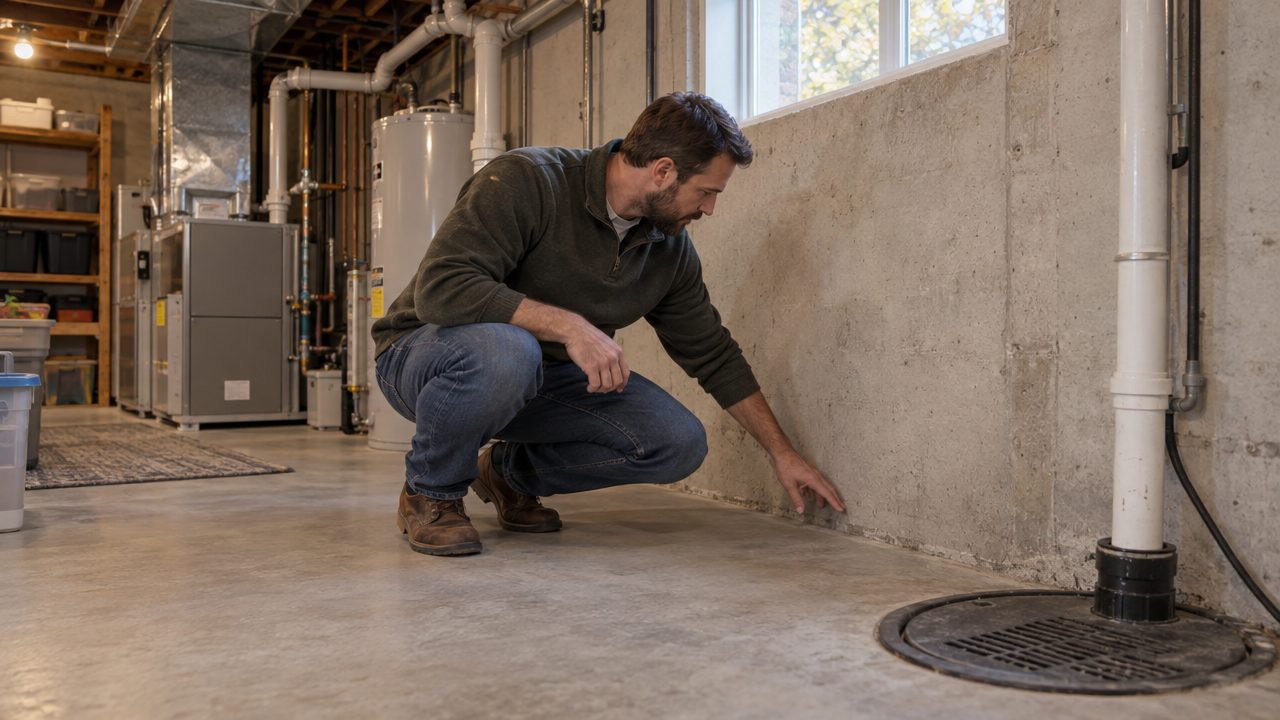
October is a good time to take a closer look at the areas of your home that are easy to overlook during the warmer months.
Your basement, foundation, and drainage system deserve particular attention before colder weather arrives. Rain, falling leaves, changing temperatures, and freezing conditions can expose existing weaknesses or make small problems more noticeable.
You don’t need to spend the entire weekend inspecting your property. A simple visual check can help you identify issues that may warrant further attention.
Start With the Ground Around Your Home
Walk around the exterior and look at how the ground slopes near the foundation.
Ideally, the surrounding landscape should direct surface water away from the house rather than toward it.
Look for areas where water appears to collect, soil has settled, or landscaping may be directing runoff toward the foundation.
If you notice persistent pooling, consider consulting a qualified drainage or foundation professional to determine the cause and appropriate solution.
Check Your Gutters and Downspouts
Gutters and downspouts help manage rainwater, but leaves and other debris can interfere with their function.
Before late-fall weather arrives, check that the gutters are clear and that downspouts direct water away from the foundation.
Look for visible leaks, loose connections, or sections that appear to be pulling away from the house.
Use appropriate safety precautions when inspecting gutters. If access requires climbing a ladder or working at height, consider hiring a professional.
Look for Signs of Moisture in the Basement
Walk through your basement and look for obvious signs of moisture, including:
- Damp spots on walls or floors
- Water staining
- Musty odors
- Visible mold or mildew
- Peeling paint or damaged finishes
- Signs of previous water intrusion
These observations don’t necessarily tell you the source of a problem, but they can indicate that further investigation is needed.
If you find visible mold or repeated moisture, consult a qualified professional to identify the cause and determine the appropriate response.
Test Your Sump Pump, If You Have One
If your home has a sump pump, review the manufacturer’s maintenance recommendations and make sure the system appears to be operating as intended.
Keep the surrounding area clear and check for obvious signs of damage.
If the pump isn’t working properly, or if you have concerns about backup protection, contact a qualified professional before relying on the system during heavy rain or snowmelt.
Protect Exposed Pipes
Cold weather can create a risk of frozen pipes, particularly in unheated spaces.
Check exposed plumbing in basements, garages, crawl spaces, and other vulnerable areas.
Before temperatures drop significantly, address obvious gaps that allow cold air into areas containing pipes. Insulation and other protective measures should be appropriate for the pipe location and local conditions.
Disconnect and properly winterize outdoor hoses and faucets according to the manufacturer’s guidance and your home’s plumbing setup.
Don’t Ignore Foundation Changes
Small cracks can occur in concrete and masonry, but not all cracks have the same significance.
Pay attention to changes such as cracks that appear to be widening, water entering through a crack, walls that appear to be bowing, or doors and windows that suddenly become difficult to operate.
These signs can have different causes and should not be diagnosed by appearance alone. If you notice concerning changes, seek an evaluation from a qualified foundation or structural professional.
Keep a Record of What You Find
If you notice something that concerns you, take a photograph and note the date.
A record can help you determine whether a condition changes over time and can be useful when speaking with a contractor.
Most importantly, don’t wait for a small maintenance concern to become an urgent problem if there are signs of active water intrusion or possible structural damage.
The Bottom Line
Your basement and foundation may not be the most glamorous parts of your home, but they play an important role in protecting the property.
Checking drainage, gutters, moisture, exposed pipes, and visible foundation conditions before winter is a practical way to stay ahead of potential problems.
Taking care of your home—or thinking about buying or selling one? A Coldwell Banker Hearthside agent can help you navigate your real estate plans and understand when property-specific questions should be addressed by qualified professionals.
This article is for general informational purposes only. It does not replace a professional inspection, diagnosis, or repair recommendation.
